
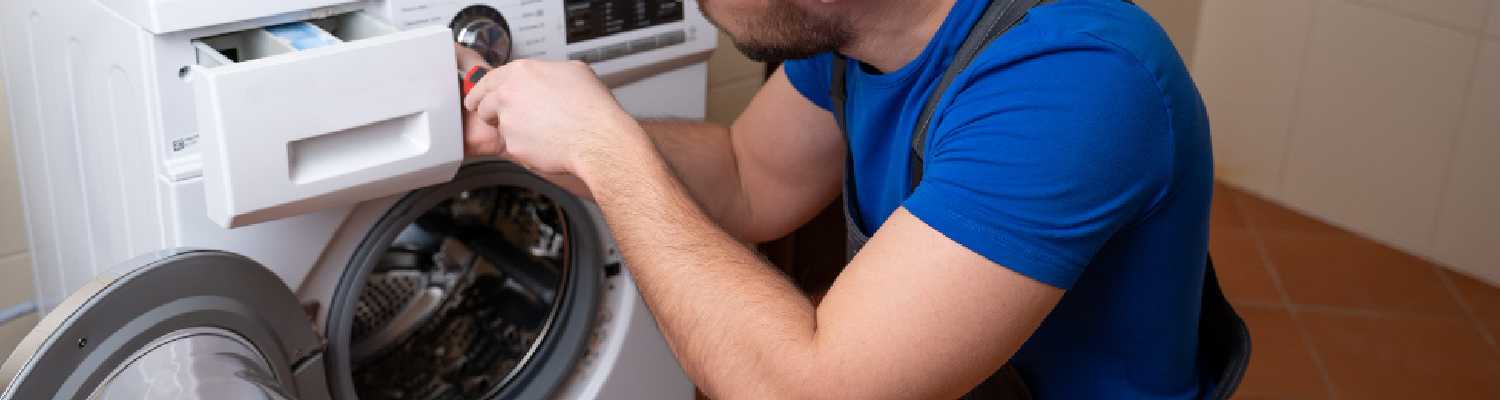
Modern washing machines are equipped with intelligent technology that helps detect problems before they become major issues. Whenever the appliance senses an abnormal condition, it displays an error code on the control panel. These codes are designed to help users identify the source of the problem quickly, but many homeowners are unsure what the displayed letters or numbers actually mean.
Learning the meaning behind common washing machine error codes can help you troubleshoot simple issues, avoid unnecessary damage, and decide when it's time to call a professional technician. Addressing these warnings early can save both time and expensive repair costs.
Today's washing machines rely on electronic sensors and control boards to monitor every stage of the wash cycle. These systems constantly check water intake, drainage, motor performance, drum balance, temperature, and door security. If any component fails to operate correctly, the machine generates an error code to notify the user.
Some errors indicate minor issues that can be resolved at home, while others signal more serious electrical or mechanical faults that require professional servicing.
A water supply error usually appears when the washing machine cannot receive enough water. This may occur due to a closed water valve, low water pressure, clogged inlet filters, or a defective water inlet valve. Without sufficient water, the wash cycle cannot continue normally.
Drainage errors occur when the machine cannot remove water after washing. Common causes include a blocked drain hose, clogged pump filter, damaged drain pump, or debris restricting water flow. Proper drainage is essential for the rinse and spin cycles to complete successfully.
Many front-load washers display a door lock error when the door isn't fully secured. A faulty door latch, damaged lock assembly, or electronic malfunction can prevent the machine from starting as a safety precaution.
If clothes inside the drum become unevenly distributed, the washer may stop spinning and display an unbalanced load error. Heavy items such as blankets, comforters, or towels often cause this issue. Rearranging the load usually restores normal operation.
Certain error codes indicate problems with the motor, wiring, or electronic control system. An overheating motor, faulty sensor, damaged wiring, or communication failure between components may prevent the washer from operating properly.
Because these problems involve internal electrical parts, they should be inspected and repaired by an experienced appliance technician.
Loading the washing machine beyond its recommended capacity places unnecessary strain on the motor and suspension system. Many modern washers display an overload error to protect internal components from excessive wear and potential damage.
Simple issues such as opening the water supply, cleaning the drain filter, or redistributing laundry can often clear basic error codes. However, if the same error repeatedly appears or the machine stops functioning altogether, professional diagnosis is recommended.
A qualified technician can accurately identify the underlying problem, repair damaged components, and restore your washing machine to proper working condition. For reliable washing machine repair, professional servicing helps prevent further damage and extends the life of your appliance.
Error codes are valuable diagnostic tools that help identify washing machine problems before they become serious. Understanding these warning messages allows homeowners to respond quickly, perform basic troubleshooting, and avoid costly breakdowns.
For expert diagnostics, dependable repairs, and preventive maintenance, Matrix HVAC & Appliances offers professional appliance repair services that keep your washing machine running efficiently for years to come.