


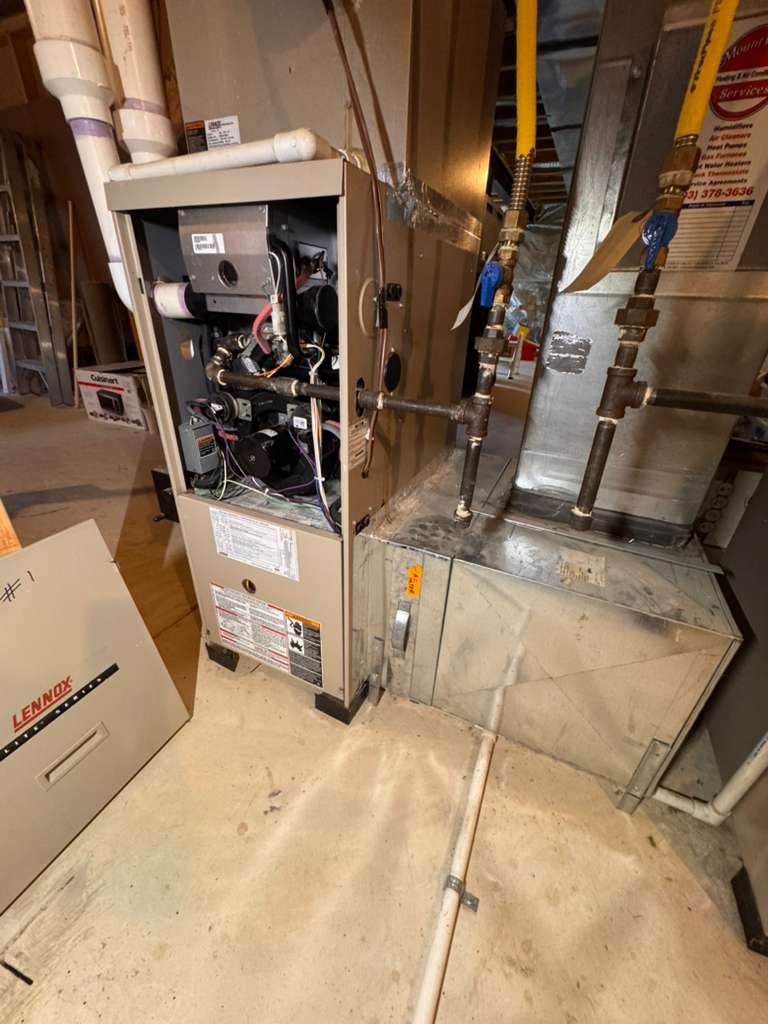
Planning for a new cooling system and dealing with a broken household appliance often happen at the exact same time. Whether you are scheduling an AC installation in Centreville, VA or need fast appliance repair, both directly impact your daily comfort and utility bills. This practical guide covers what you need to know to troubleshoot issues, choose the right equipment, and keep your home running efficiently.
Your cooling system's age is your primary baseline. Most central air units last 12 to 15 years. Past this point, mechanical failures become more frequent and costly.
To determine if replacement is more practical than another repair, apply the 50% rule: if a repair quote costs 50% or more of a new system's price tag, replacement is the smarter financial choice. Additionally, scheduling your installation during early spring helps you avoid summer price spikes and long service delays when peak heat arrives.
Proper sizing is critical for system performance and humidity control. An oversized unit cools your home too quickly and shuts off before it can pull moisture from the air, leaving your rooms cold and clammy. An undersized unit runs non-stop, driving up electric bills while failing to cool the house on 90-degree days.
Rather than simply matching the tonnage of your old unit, a certified technician must run a Manual J load calculation. This calculation factors in total air volume, ceiling height, insulation quality in your walls and attic, window layout, frame seals, sun exposure, and recent home additions like finished basements or sunrooms.
Connecting a modern, high-efficiency air conditioner to leaking or undersized ductwork defeats the purpose of an upgrade. Cracks and loose joints allow cool air to escape into attics or crawlspaces before it ever reaches your living space.
Inspecting and sealing your ducts during installation ensures balanced airflow across all floors, prevents hot spots in distant rooms, and allows your new system to achieve its rated SEER2 efficiency rating.
Knowing the step-by-step installation process helps you plan your day with confidence. Technicians first safely drain old refrigerant following EPA guidelines and remove the old outdoor condenser and indoor coil. Next, the new indoor coil and outdoor condenser are set on level pads. The copper refrigerant lines, electrical wiring, and condensate drain pipes are then connected and insulated. After pulling the system into a vacuum to remove moisture and test for leaks, technicians start the unit, verify airflow pressures, program your new thermostat, and complete a final operational walkthrough with you.
General appliance failures often occur around the same time as HVAC upgrades. Here are the most common mechanical issues you might encounter in your kitchen and laundry room:
To make a practical decision on broken appliances, consider both age and repair frequency. For appliances between 0 and 7 years old, repair is almost always the right choice since replacing a single worn relay, pump, or motor is far cheaper than buying a new machine.
For appliances between 8 and 10 years old, evaluate overall condition: if the appliance has been well-maintained and the repair is minor, fix it, but if it has a history of breakdowns, consider replacing it. Once an appliance passes 10 years of age, replacement is generally recommended, especially if the repair cost exceeds half the price of a replacement unit.
You can resolve or clarify many common household issues with a few quick checks before calling a technician. For your HVAC system, check your air filter and replace it if it is clogged, verify that your thermostat has fresh batteries and is set to "Cool," and ensure your outdoor condenser has at least two feet of clear space around all sides. For your appliances, inspect your home's main circuit panel for tripped breakers, make sure the power cord is firmly plugged in, and locate the model number tag on the door frame so your technician can bring exact replacement parts on the first visit.
Keeping your cooling system running and your appliances performing correctly relies on proper sizing, clear diagnostics, and practical maintenance. Matrix HVAC & Appliances has served Northern Virginia since 2020, with technicians bringing 25 years of combined industry experience to every job.
With seven-day scheduling availability, getting expert help is easy. Call (703) 397-4604 or (703) 646-0716 today to speak with our local team and get your home systems working properly.
Most residential installations are completed within 4 to 8 hours in a single day. If your project requires custom sheet metal duct modifications or electrical panel upgrades, it may require additional time.
Yes. Most manufacturers require you to register your new equipment within 60 days of installation, and they require installation by a licensed professional to keep the warranty valid.
Yes. Scheduling a routine appliance repair alongside your HVAC service visit saves time and reduces service call fees.
Professional maintenance should be performed once a year in the spring. Regular tune-ups reduce energy consumption, prevent mid-summer breakdowns, and extend compressor life.
Yes, but you should clear it quickly. Standing water usually comes from a blocked defrost drain and can leak onto internal electrical components or cause mold growth if left untreated.