
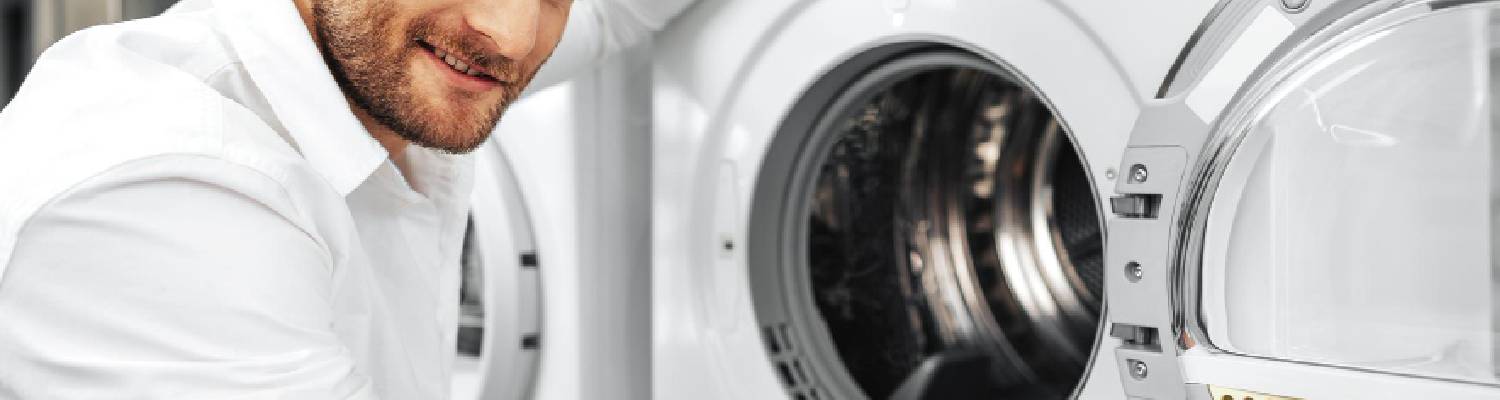
Clothes dryers have become an essential household appliance, helping families save time while making laundry more convenient and efficient. When a dryer stops working properly, homeowners often face an important distinction depending on the type of appliance they own: gas dryer or electric dryer. Although both appliances perform the same basic function, their internal systems, repair requirements, and maintenance needs are quite different. Understanding these differences helps homeowners identify problems early and make informed repair decisions.
Since gas and electric dryers use different heating systems and components, diagnosing problems requires knowledge of how each appliance operates. Knowing the most common repair issues can help prevent expensive breakdowns and improve long-term performance.
Both dryer types use rotating drums and airflow systems to dry clothes, but the heating source differs significantly. Electric dryers use heating elements powered by electricity to generate heat, while gas dryers use natural gas or propane combined with an ignition system to create heat.
Because gas dryers involve both electrical components and gas supply systems, repairs can sometimes be more complex compared to electric models.
Electric dryers usually involve fewer mechanical systems, while gas dryers require additional attention to burners, gas valves, ignition systems, and safety controls. Repair costs and troubleshooting steps often depend on these internal design differences.
Electric dryers commonly experience heating element failures, blown thermal fuses, damaged thermostats, broken door switches, and motor issues. One of the most frequent complaints is when the dryer runs normally but fails to produce heat.
A damaged heating element often causes this issue, preventing the dryer from generating enough heat to dry clothes properly. Electrical wiring problems or faulty thermostats may also disrupt normal operation.
Technicians typically inspect heating elements, electrical connections, thermal fuses, and temperature controls. Replacing worn electrical components usually restores proper dryer performance quickly.
Gas dryers can develop problems involving ignition systems, faulty gas valve coils, burner assembly failure, damaged flame sensors, or blocked gas supply lines. In some cases, the dryer drum rotates normally but produces little or no heat.
If the gas burner fails to ignite, the appliance cannot generate the heat necessary for proper drying. Gas dryers may also develop inconsistent heating cycles if burner components begin wearing out.
Professional technicians inspect gas valve coils, igniters, flame sensors, burner assemblies, and gas connections. Since gas appliances involve combustible fuel systems, professional servicing is strongly recommended for safe repairs.
Regardless of dryer type, regular maintenance helps prevent major repair issues. Lint buildup remains one of the most common causes of overheating, reduced efficiency, and longer drying cycles.
Cleaning lint filters after every cycle, inspecting exhaust vents regularly, and checking airflow around the appliance helps improve efficiency and reduce internal component strain.
Gas dryer owners should periodically inspect gas connections and burner performance, while electric dryer owners should monitor electrical connections and heating consistency.
Some homeowners attempt basic troubleshooting, but internal dryer repairs often involve electrical systems, heating components, sensors, motors, or gas connections that require professional expertise.
Ignoring unusual noises, poor heating, long drying times, or repeated shutdowns can cause more serious damage over time. Early professional diagnosis often prevents larger and more expensive appliance failures.
Both gas and electric dryers can develop performance issues over time, but understanding how each system works helps homeowners recognize problems faster. Electric dryers commonly face heating element and wiring issues, while gas dryers often experience burner or ignition-related problems.
Regular maintenance and timely repairs help improve dryer efficiency, reduce safety risks, and extend appliance lifespan. Matrix HVAC & Appliances provides best repair and maintenance services regarding this, offering expert dryer diagnostics, professional repairs, and long-term appliance maintenance solutions for both gas and electric dryer systems.
Regular maintenance and early diagnosis can prevent expensive breakdowns while extending appliance life. provides best repair and maintenance services regarding this, offering expert refrigerator diagnostics, compressor repairs, and professional appliance maintenance solutions to keep your refrigerator running efficiently for years.