

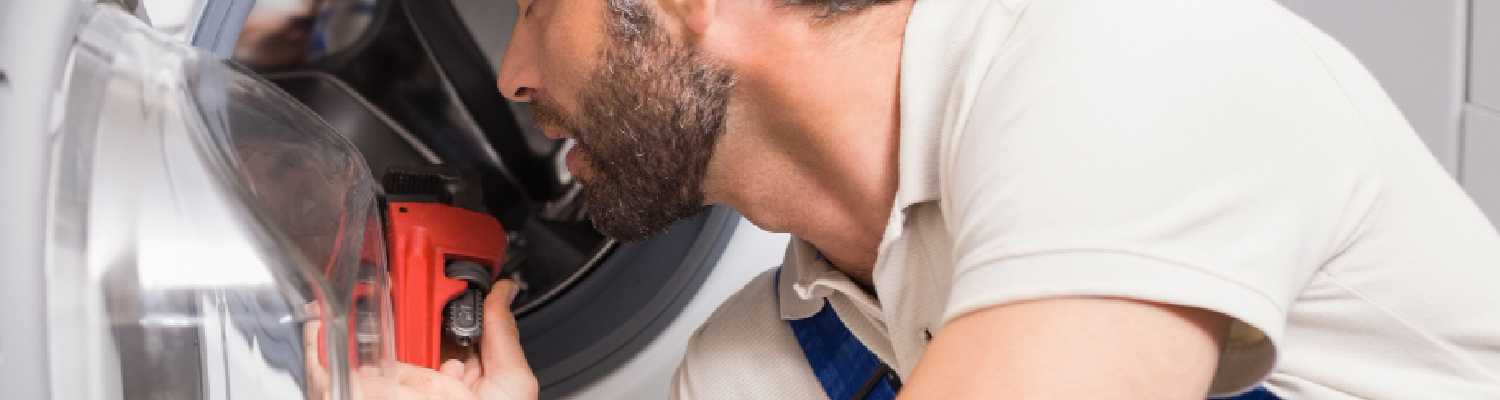
A clothes dryer is an essential appliance for many households, helping make laundry faster and more convenient. However, frequent use can gradually cause wear and tear, especially when regular maintenance is overlooked. Problems such as poor heating, longer drying times, unusual noises, excessive lint buildup, and unexpected shutdowns can affect the performance of a dryer and may eventually lead to costly repairs.
The good news is that many common dryer problems can be reduced through proper care and regular maintenance. Simple habits such as cleaning the lint filter, maintaining proper airflow, avoiding overloading, and paying attention to unusual changes can help your dryer operate efficiently and last longer.
One of the simplest ways to protect your dryer is to keep its lint filter clean. Lint accumulates every time clothes are dried, and a clogged filter can restrict airflow. Reduced airflow can make the dryer work harder, increase drying times, and cause unnecessary stress on heating and mechanical components.
Make it a habit to remove lint from the filter after every drying cycle. This small maintenance step can improve airflow and help the dryer operate more efficiently. Occasionally inspect the filter for damage and replace it if necessary.
The external dryer vent and vent hose should also be checked periodically for lint accumulation, kinks, or obstructions. A restricted vent can prevent warm, moist air from escaping properly. This may result in longer drying times and excessive heat inside the appliance.
Professional vent cleaning or inspection may be appropriate if clothes consistently take too long to dry or the dryer becomes unusually hot during operation.
How you use your dryer can have a major impact on its lifespan. Overloading the drum is one of the common mistakes that can reduce drying efficiency and place additional stress on the motor, belt, drum, and other components.
Give clothes enough room to tumble freely inside the dryer. An overloaded drum can restrict airflow and prevent clothes from drying evenly. It can also increase the amount of time required to complete a cycle, causing the appliance to operate longer than necessary.
Different fabrics require different drying temperatures and cycle settings. Using the correct setting can help protect clothing while preventing unnecessary heat exposure inside the dryer. Follow the manufacturer's instructions and avoid using higher temperatures when they are not necessary.
Before starting a cycle, check clothing pockets and remove objects such as coins, keys, or other small items. These objects can become trapped inside the drum or blower system and potentially create unusual noises or mechanical problems.
Paying attention to changes in your dryer's performance can help identify developing problems early. A dryer that previously operated quietly but suddenly begins making loud noises should be inspected rather than ignored.
Banging, squealing, grinding, rattling, or scraping sounds may indicate problems with the belt, drum rollers, bearings, blower wheel, or other components. Similarly, a burning smell should never be ignored. Stop using the appliance and arrange for professional inspection if you notice unusual odors or excessive heat.
If your dryer starts taking considerably longer to dry clothes, there may be an airflow restriction, heating problem, or mechanical issue. Cleaning the lint filter and checking the visible ventilation system can be useful first steps. If the problem continues, professional diagnosis can help identify the underlying cause.
Regular professional inspection can be useful for identifying worn or damaged components before they cause a major breakdown. A technician can inspect areas that are difficult for homeowners to access, including internal mechanical components, heating systems, electrical connections, and ventilation pathways.
Professional repair is especially important when the dryer repeatedly shuts down, fails to heat, overheats, produces burning smells, or makes persistent unusual noises. Attempting to repair electrical or internal components without the appropriate knowledge and tools can create additional safety risks.
Preventing common dryer problems starts with simple maintenance and responsible appliance use. Cleaning the lint filter after every load, maintaining proper ventilation, avoiding overloaded loads, selecting appropriate drying settings, and responding quickly to unusual sounds or smells can help protect your dryer from unnecessary wear. Regular professional inspection can also help identify developing issues and keep the appliance operating safely and efficiently.
Taking care of your dryer does not require complicated routines. A few consistent maintenance habits can improve performance, reduce unnecessary energy use, and potentially extend the useful life of the appliance.
Matrix HVAC & Appliances offers the best services regarding dryer repair and maintenance, providing professional assistance to keep your dryer operating efficiently and reliably.