


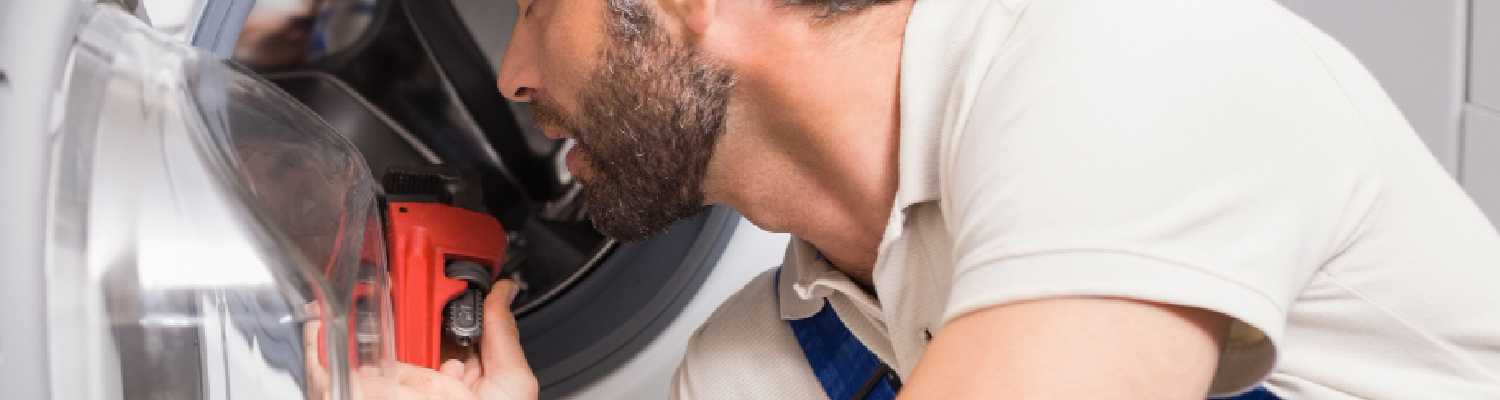
A washing machine is one of the most frequently used household appliances, making daily laundry tasks faster and more convenient. Because it handles regular heavy usage, constant water exposure, and repeated mechanical movement, it naturally experiences wear and tear over time. Unfortunately, many homeowners only pay attention to their washing machine when a major breakdown occurs, often leading to expensive repair bills that could have been avoided with proper preventive maintenance.
Preventive maintenance helps identify small problems before they develop into costly repairs. By following a few simple maintenance practices, homeowners can extend the lifespan of their washing machine, improve efficiency, and significantly reduce long-term repair expenses.
Every washing machine contains several moving parts, including the motor, drum, belts, hoses, water inlet valves, drainage pump, and electronic control system. Over time, dirt buildup, excess detergent residue, vibration, and regular mechanical stress can gradually affect these components.
Without proper maintenance, minor issues may develop into serious mechanical failures. Preventive care allows homeowners to detect wear early, reduce unnecessary strain on internal parts, and keep the appliance operating efficiently for many years.
Overloading is one of the most common causes of washing machine damage. Excessively heavy loads place unnecessary pressure on the drum, motor, suspension system, and bearings. Repeated overloading can cause premature wear and lead to costly internal repairs.
Following the manufacturer’s recommended load capacity helps the machine operate smoothly while reducing mechanical stress during each wash cycle.
Using too much detergent or the wrong detergent type can create excess foam inside the machine. Soap residue can accumulate in hoses, internal components, and drainage systems, reducing washing performance and increasing the risk of blockages.
Always use detergent recommended for your specific machine type, especially for high-efficiency front-load washers.
Lint, dirt, hair, and small debris can gradually clog the washing machine filter and drainage pump. A blocked drainage system forces the machine to work harder and may cause drainage errors, water leakage, or pump failure.
Cleaning filters regularly helps maintain proper water flow and prevents unnecessary stress on internal components.
Water inlet and drainage hoses can develop cracks, leaks, or internal blockages over time. Damaged hoses may reduce water pressure or cause water leakage that can damage surrounding areas and machine components.
Regular visual inspection helps identify wear before hose failure occurs. Replacing aging hoses early can prevent expensive water-related repairs.
Moisture left inside the drum or rubber door seal can encourage mold growth, unpleasant odors, and bacterial buildup. Residue buildup may also affect washing performance over time.
Leaving the door slightly open after use and cleaning the drum regularly helps maintain hygiene while protecting internal surfaces from long-term damage.
Even with proper home maintenance, internal components may gradually wear down without obvious warning signs. Periodic professional inspections help detect hidden issues involving motors, electrical systems, belts, bearings, and internal sensors before complete failure occurs.
Professional maintenance often costs far less than emergency repair services after a sudden appliance breakdown.
Preventive maintenance is one of the most effective ways to reduce washing machine repair costs and extend appliance lifespan. Simple habits such as avoiding overloading, cleaning filters, inspecting hoses, and scheduling regular maintenance checks can prevent expensive repairs and keep the machine running efficiently.
For expert appliance care, washing machine diagnostics, and long-term maintenance solutions, Matrix HVAC & Appliances provides best repair and maintenance services regarding this, helping homeowners protect their appliances and avoid unnecessary repair expenses.