

An oven that stops heating properly can disrupt your entire kitchen routine. Whether you are preparing daily meals or baking for special occasions, a faulty oven quickly becomes a major inconvenience. From uneven temperatures to complete heating failure, oven problems are common but should never be ignored. Understanding the causes and knowing when to seek professional repair can save time, money, and stress.
One of the most common causes of an oven not heating is a damaged heating element. In electric ovens, the bake or broil element may burn out over time due to regular use. When this happens, the oven may turn on but fail to generate sufficient heat. Visible damage, such as cracks or blistering on the element, is often a clear sign that replacement is needed.
For gas ovens, heating problems are often linked to ignition failure or gas supply issues. A faulty igniter may prevent the gas from lighting, resulting in little or no heat. In some cases, clogged burners or gas valves may also interfere with proper heating. These issues require professional attention to ensure safety and correct repair.
If your oven heats inconsistently or does not reach the desired temperature, a faulty thermostat could be the cause. The thermostat regulates the oven’s temperature, and when it fails, the oven may overheat or underheat. This can affect cooking results and may even damage food.
Modern ovens rely on temperature sensors to communicate accurate readings to the control board. A damaged or misaligned sensor can send incorrect signals, causing heating problems. Professional testing is often required to diagnose and fix this issue correctly.
Loose wiring, damaged power cords, or blown fuses can prevent an oven from heating properly. Electrical issues may allow lights and displays to function while stopping the heating elements from working. Attempting to fix electrical problems without proper knowledge can be dangerous and should be handled by trained technicians.
The control board is the brain of the oven. If it malfunctions, it may fail to send power to the heating elements or igniter. Control board issues can be complex and often require replacement rather than repair.
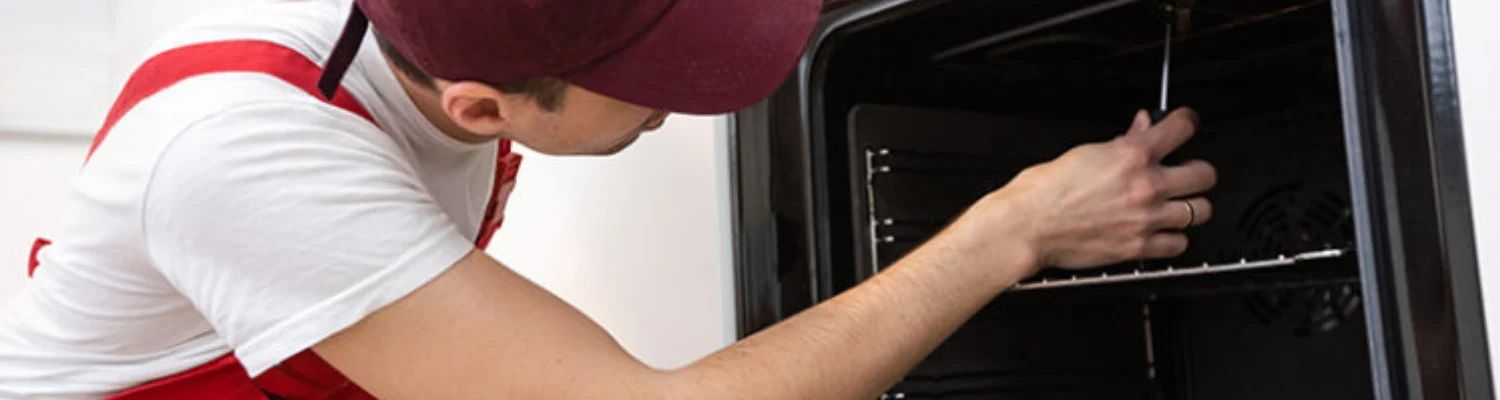
Ovens involve high temperatures, gas connections, and electrical components, making professional repair essential for safety. Attempting DIY fixes can lead to further damage or safety hazards. Skilled technicians diagnose problems accurately and ensure repairs are done correctly the first time.
Ignoring heating issues can lead to more serious damage and higher repair costs later. Timely professional repair extends the life of your oven and restores its performance, saving you from premature replacement.
Keeping your oven repair clean helps prevent grease buildup that can affect heating efficiency. Periodic inspections can also identify early signs of wear in heating elements or sensors.
Avoid slamming oven doors, overloading racks, or using damaged cookware. Proper usage reduces strain on internal components and helps maintain consistent heating performance.
An oven that is not heating properly is more than just an inconvenience—it affects daily cooking and safety. Understanding common causes and seeking professional repair ensures the issue is fixed right the first time. Prompt attention, expert diagnosis, and quality repairs help restore your oven’s reliability and performance.
The Matrix Solutions provides the best services regarding this