


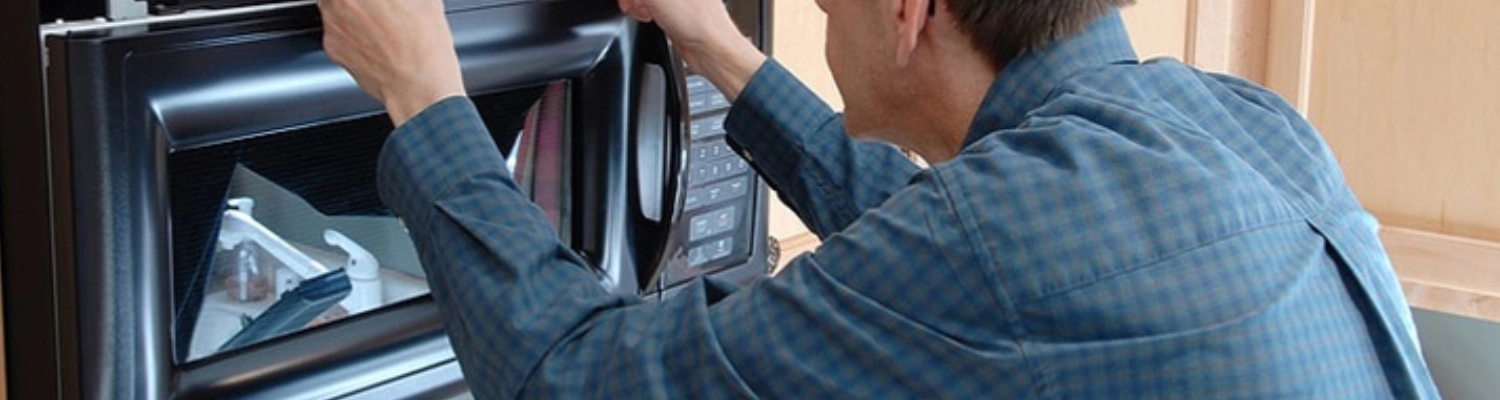
When your oven suddenly refuses to turn on, it can disrupt your entire schedule—from cooking routine meals to preparing for gatherings. While the issue may seem alarming, the good news is that many common causes are easy to identify. Whether it’s a simple power problem or a malfunctioning internal component, understanding these issues helps prevent bigger failures. Here are the most common reasons your oven won’t turn on and how to fix them efficiently.
One of the most frequent reasons an oven won’t turn on is a power-related problem. If the appliance isn’t receiving enough electricity, it cannot operate—even if everything else appears normal.
Sometimes the oven plug may be loose or partially disconnected from the wall outlet. A damaged cable can also prevent proper power flow.
Ensure the plug is firmly inserted. Inspect the cord for cuts or burns. If damaged, avoid using the oven and call a technician immediately to prevent electrical hazards.
Ovens require a high voltage supply. Even a small surge can trip the circuit breaker, leaving the oven unresponsive.
Check your home’s electrical panel and reset the breaker. If it trips again, the oven may have an internal wiring fault that needs expert attention.
In electric ovens, heating elements play a crucial role in temperature production. If an element wears out or burns, the oven may not turn on or may fail to heat.
No glow from the heating element, uneven heating, or the oven staying cold are clear indicators.
Heating elements cannot be repaired—they must be replaced. A trained technician can test the continuity and install a new one if needed.
The thermal fuse protects the oven from overheating. If it blows, the oven may shut down entirely as a safety measure.
Blocked vents, excessive heat, or failing fans can cause internal temperatures to rise, triggering the fuse.
A technician will replace the blown fuse and inspect airflow issues to prevent future overheating.
For gas ovens, a lack of gas supply or a faulty igniter can prevent the oven from turning on.
Sometimes, the gas line may accidentally be turned off during plumbing or kitchen work.
Check that the gas valve is in the ON position. If you smell gas or suspect a leak, turn off everything and call a professional immediately.
If the igniter is weak or damaged, the oven will not light—even if gas is present.
Igniters commonly need replacement after years of use. A technician can test and install a new one safely.
Modern ovens rely heavily on digital control systems. If the control board fails, the oven may stop responding entirely.
Unresponsive buttons, blank display, or no reaction to temperature settings indicate a control panel issue.
Control board oven problems or replacement is needed. This requires professional handling.
A surprising reason many ovens fail to start is an improperly closed door. Most ovens have safety switches that prevent operation when the door isn’t completely shut.
Worn-out gaskets, broken hinges, or misaligned door frames.
Repair or replace the defective parts to restore proper door sealing.
An oven that won’t turn on doesn’t always mean a major failure. From power issues and blown fuses to faulty igniters and damaged control boards, most causes are identifiable and repairable with the right expertise. Addressing these problems early helps maintain safety, performance, and longevity.
Matrix Solutions specializes in fast, reliable, and affordable oven repair services. Their expert technicians diagnose issues accurately and bring your oven back to perfect working condition. If your oven isn’t turning on, contact Matrix Solutions today for professional assistance.