
A leaking refrigerator can quickly become a frustrating household problem. Water collecting inside the refrigerator, underneath the appliance, or around the freezer area may indicate anything from a clogged drain to a damaged water supply component. Ignoring the problem can lead to floor damage, unpleasant odors, mold growth, and further appliance issues.
The good news is that many refrigerator water leaks have simple causes that can be identified with a basic inspection. Understanding where the water is coming from and what may be causing it can help you take appropriate action before the problem becomes more serious.
Refrigerators use several systems to control moisture, drain condensation, and, in some models, supply water for ice makers and dispensers. A problem with any of these components can result in leakage.
One of the most common causes of water inside a refrigerator is a blocked or frozen defrost drain. During the normal defrost cycle, melted ice should flow through the drain into a pan underneath the appliance. If the drain becomes clogged with ice, food particles, or debris, the water may accumulate inside the refrigerator or freezer compartment.
Cleaning the accessible drain area and removing visible debris may help in minor cases. However, if the drain repeatedly freezes or becomes blocked, professional inspection may be necessary to identify the underlying issue.
The drain pan collects water produced during the refrigerator's defrost cycle. If the pan is cracked, damaged, overflowing, or incorrectly positioned, water can leak onto the floor. Carefully checking the pan for visible damage can help identify whether it is responsible for the leak.
Even when the drain opening appears clear, the drain tube may still contain an obstruction. Ice buildup or debris can prevent water from reaching the drain pan. This can cause water to back up and eventually appear underneath or inside the refrigerator.
Refrigerators equipped with water dispensers or ice makers have water supply lines and connections. A loose connection, cracked tubing, or damaged valve can result in continuous or intermittent water leakage. If water is coming from the back of the refrigerator, the supply line should be inspected carefully.
Before attempting any repair, unplug the refrigerator if you need to inspect components near electrical connections. Also, clean up standing water promptly to protect your flooring and reduce the risk of slipping.
A refrigerator that is not properly leveled may not allow water to flow toward the correct drainage area. Check whether the appliance is sitting evenly on the floor. If necessary, adjust the leveling feet according to the manufacturer's instructions.
A damaged or poorly sealing refrigerator door can allow warm air to enter the appliance. This can increase condensation and frost formation, potentially contributing to excess water. Inspect the gasket around the door for cracks, gaps, or areas that are no longer sealing properly.
Look for food particles, ice buildup, or other visible debris around accessible drainage areas. Keeping the refrigerator clean and avoiding items that block air vents can help maintain proper airflow and moisture control.
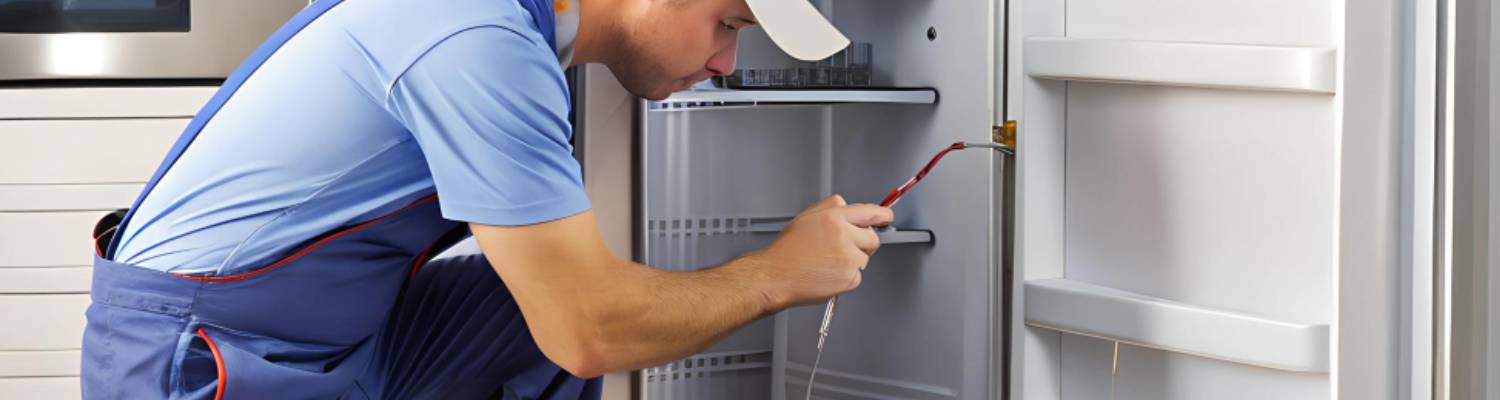
If the refrigerator continues leaking after basic checks, professional service is recommended. Persistent leaks may be connected to a defective water inlet valve, damaged tubing, blocked internal drainage, excessive frost buildup, or another mechanical problem.
Attempting to dismantle internal refrigerator components without the appropriate knowledge can cause additional damage. A qualified technician can identify the source of the leak, inspect related components, and recommend the correct repair.
Regular refrigerator maintenance can also help prevent water leakage. Cleaning drainage areas, checking door seals, maintaining appropriate temperature settings, and responding quickly to unusual moisture can help keep the appliance operating efficiently.
Matrix HVAC & Appliances offers the best repair and maintenance services regarding refrigerator water leaks and related refrigerator problems, providing reliable solutions to help keep your appliance operating efficiently.