
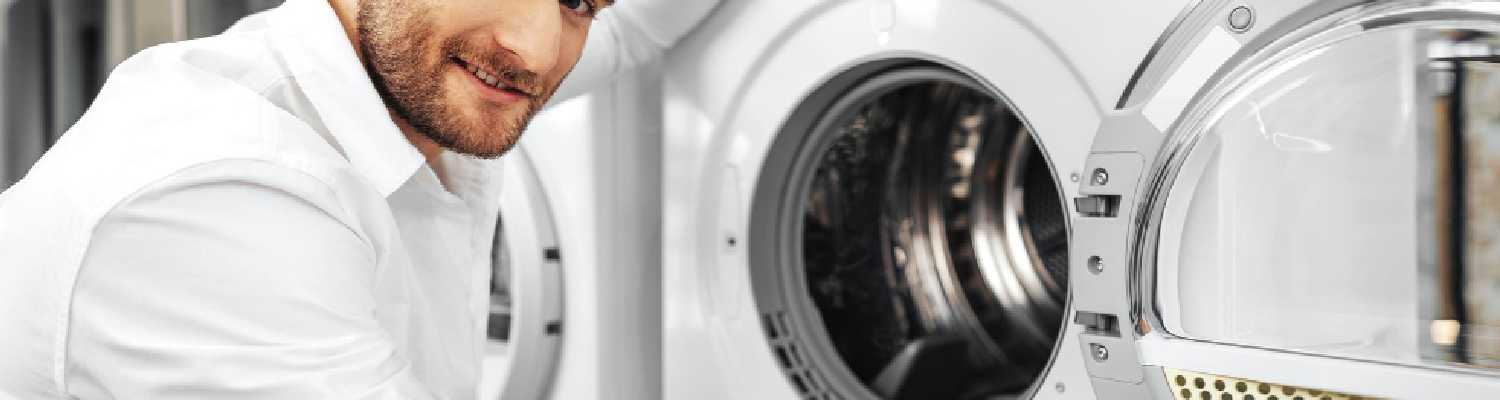
A clothes dryer is a valuable household appliance that helps dry laundry quickly and efficiently, making everyday chores more convenient. Like any mechanical appliance, however, dryers experience wear and tear with regular use. One of the most important components inside a dryer is the drive belt, which rotates the drum during each drying cycle. When this belt becomes worn, stretched, or breaks, the dryer may no longer operate correctly.
Recognizing the warning signs of a failing dryer belt can help you avoid unexpected breakdowns, reduce repair costs, and keep your appliance performing at its best.
The dryer belt is a durable rubber belt that wraps around the drum and connects it to the motor. As the motor turns, the belt rotates the drum, allowing clothes to tumble evenly while warm air circulates throughout the load.
Since the belt is constantly exposed to friction and movement during every drying cycle, it naturally wears out over time. Frequent use, heavy laundry loads, and aging can all contribute to belt deterioration.
One of the clearest signs of a broken dryer belt is when the dryer powers on, but the drum doesn't rotate. You may hear the motor running normally, yet the clothes remain in the same position because the belt is no longer driving the drum.
If your dryer begins making squeaking, scraping, or thumping sounds, the belt may be worn or losing tension. These noises often indicate excessive wear and should be inspected before the belt fails completely.
Some dryers are designed with safety features that stop the appliance when the belt breaks. If your dryer suddenly stops in the middle of a cycle, a damaged or slipping belt could be the cause.
A loose or worn belt can prevent the drum from rotating smoothly, reducing airflow around the clothes. As a result, drying cycles become longer, and clothes may still feel damp after the cycle finishes.
Continuing to use a dryer with a damaged belt can put extra strain on the motor, pulleys, and drum support components. Over time, this additional stress can lead to more expensive repairs and reduced appliance efficiency.
Replacing the belt at the first sign of wear helps restore proper drum movement, improves drying performance, and extends the overall lifespan of your dryer.
Although some homeowners attempt DIY appliance repairs, replacing a dryer belt requires disassembling the dryer cabinet and correctly installing the new belt around the drum and motor pulley. An experienced technician can diagnose the problem quickly and complete the repair safely and correctly.
Professional service also allows other internal components to be inspected, helping identify additional issues before they become costly repairs.
A worn or broken dryer belt can lead to poor drying performance, unusual noises, longer drying cycles, or a drum that won't spin at all. Identifying these warning signs early can help prevent larger mechanical problems and keep your appliance operating efficiently.
For expert appliance diagnostics, dependable dryer repair, and preventive maintenance, Matrix HVAC & Appliances provides professional repair services to keep your dryer running safely, efficiently, and reliably for years to come.