
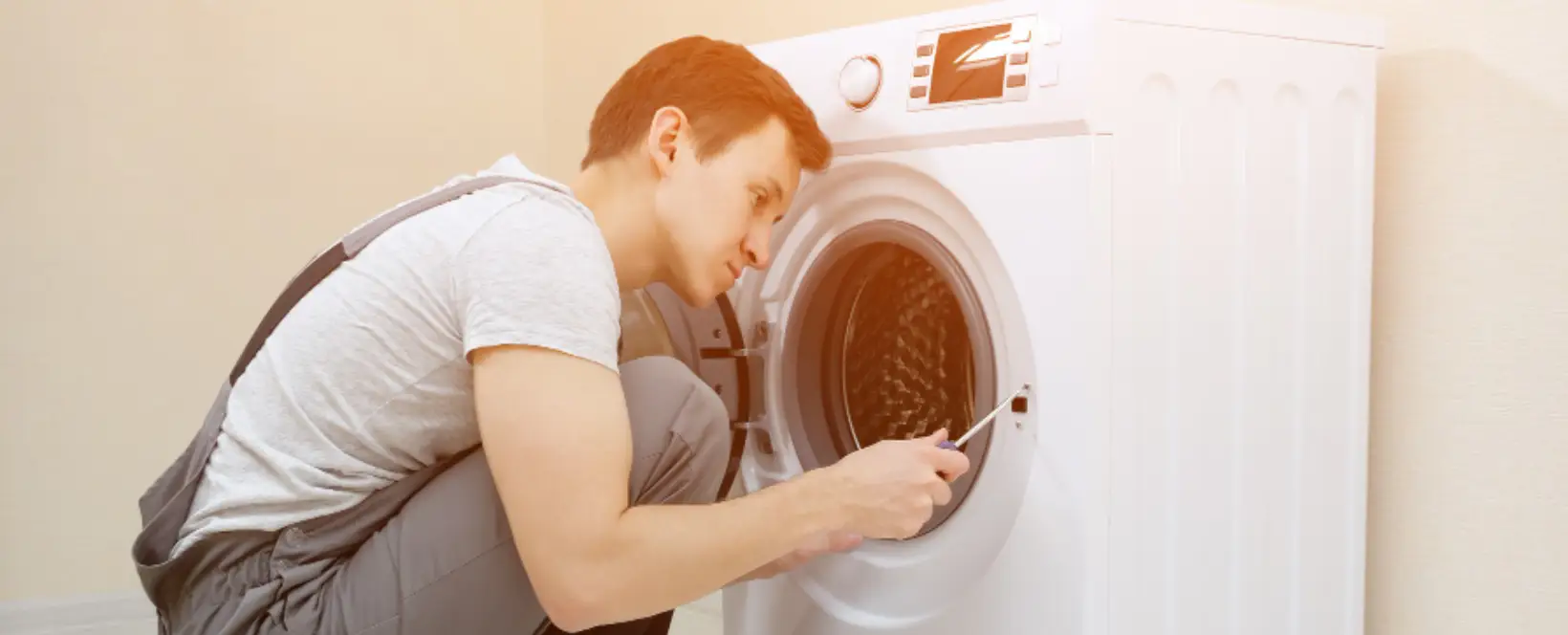
A leaking washing machine can quickly turn from a minor inconvenience into a major household problem. Water pooling around your washer can damage flooring, walls, and nearby appliances while also increasing the risk of mold growth. Fortunately, many washer leaks are caused by common issues that can be identified and repaired before they lead to costly damage. Understanding the most frequent causes of washing machine leaks can help homeowners take timely action and keep their appliances functioning efficiently.
Washing machines use a combination of hoses, pumps, valves, seals, and drainage systems to move water throughout the wash cycle. When any of these components become damaged, worn out, or blocked, water may escape and accumulate around the appliance. The location and timing of the leak can often provide clues about the underlying issue.
One of the most common reasons for a leaking washer is a problem with the water supply hoses. These hoses connect the washing machine to the home's water source and can develop cracks, loose fittings, or wear over time. Even a small crack can allow water to leak during the filling cycle.
Inspect the hoses regularly for visible signs of damage and ensure all connections are securely tightened. Replacing old hoses can help prevent future leaks and water damage.
The drain hose removes wastewater from the washer after each cycle. If the hose becomes clogged, kinked, or damaged, water may back up and leak onto the floor. Loose connections at either end of the hose can also cause leaks during the draining process.
Checking the drain hose for obstructions and ensuring proper installation can often resolve this issue.
Front-load washing machines use a rubber door gasket to create a watertight seal. Over time, the gasket can develop tears, cracks, or buildup from detergent residue and debris. When the seal is compromised, water may escape during the wash cycle.
Regular cleaning and inspection of the gasket can help maintain its effectiveness and prevent leaks.
The water inlet valve controls the flow of water into the washing machine. If this component becomes worn or damaged, it may leak even when the washer is not running. Water may drip from the valve area or collect underneath the appliance.
A professional technician can inspect and replace a faulty inlet valve to restore proper operation.
The drain pump plays a critical role in moving water out of the washer. Cracks, loose fittings, or damaged seals within the pump can result in leaks during washing or draining cycles. Pump-related leaks often require professional repair or replacement.
The tub seal prevents water from escaping where the transmission shaft enters the wash tub. As the seal ages, it can wear out and begin leaking. This type of repair is often more complex and may require disassembly of major washer components.
Excess detergent can create an excessive amount of suds, especially in high-efficiency washing machines. Too many suds can overflow and appear as a water leak. Always use the recommended type and amount of detergent specified by the manufacturer.
Placing too many clothes in the washer can strain internal components and cause water to spill over the drum or leak through seals. Following load capacity guidelines helps ensure proper performance and reduces the risk of leaks.
Check hoses, seals, and connections periodically for signs of wear, corrosion, or damage. Early detection can prevent more serious problems later.
Cleaning the drum, detergent dispenser, filters, and door gasket helps prevent clogs and buildup that may contribute to leaks.
Rubber hoses, seals, and gaskets naturally deteriorate over time. Replacing worn parts before they fail can help avoid unexpected water leaks.
Routine maintenance by experienced technicians can identify hidden issues and keep your washing machine operating efficiently for years.
While some minor leaks can be resolved by tightening connections or cleaning components, persistent leaks often indicate a deeper mechanical problem. Issues involving pumps, valves, tub seals, or internal components should be diagnosed and repaired by qualified professionals to avoid further damage and ensure safe operation.
A leaking washing machine can result from damaged hoses, faulty seals, clogged drains, worn-out pumps, or improper usage. Identifying the source of the leak quickly can prevent costly repairs and protect your home from water damage. Regular maintenance and timely repairs are essential for keeping your washer repairs in excellent condition. If your washing machine is leaking water and requires expert attention, Matrix HVAC & Appliances provides the best repair, maintenance, and appliance servicing solutions, ensuring reliable performance and long-lasting results.