
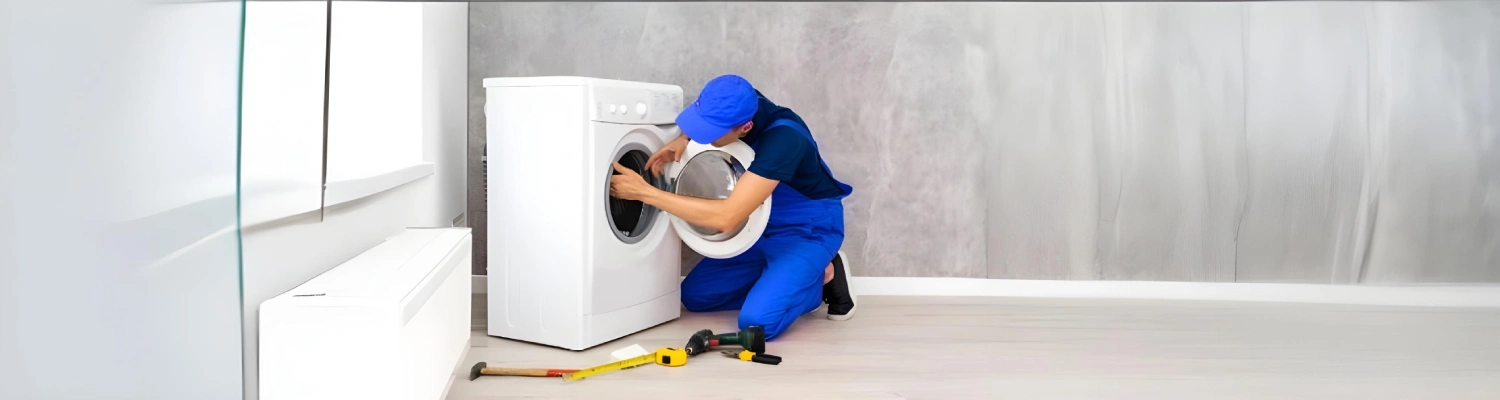
A washing machine that doesn’t drain properly can be frustrating and may even lead to water damage or foul odors. Drainage problems are among the most common issues homeowners face, and they can usually be traced to a few specific causes. Understanding what to check can save you time, money, and unnecessary stress. This guide explains the most common washing machine drainage issues and how to troubleshoot them effectively.
If you open the washing machine after the cycle ends and find water still inside, it’s a clear sign that the machine isn’t draining properly. This may be due to a blockage or a malfunctioning component.
Sometimes the machine drains, but very slowly. This often indicates a partial clog in the pump or hoses that restricts water flow.
Gurgling or grinding sounds during drainage can point to something stuck in the pump or an obstruction in the pipes.
The drain hose is one of the first components to inspect when you suspect a drainage issue. If the hose is kinked, bent, or clogged, the washing machine cannot expel water properly.
What to Do: Pull the machine slightly forward and check if the hose is pinched. Straighten it if necessary. Remove the hose and run water through it to check for blockages like lint, coins, or small clothing items.
Many washing machines come with a pump filter that traps debris. Over time, this filter can get clogged with lint, hair, coins, or fabric fibers, causing slow or no drainage.
What to Do: Locate the filter (usually at the bottom front of the machine). Place a towel below it, open the cover, and clean out all debris. This simple maintenance step resolves many drainage issues.
If the hose and filter are clean but the water still doesn’t drain, the pump itself might be blocked or faulty. Items like buttons, pins, or small fabric pieces often get lodged inside the pump.
What to Do: Listen during the drain cycle. If you hear humming but no water moving, the pump may be jammed. If the pump is silent, it might have failed and need replacement.
Sometimes the problem isn’t the washing machine at all—it’s the home’s drainage system. A clogged standpipe can cause water to back up, spill out, or drain slowly.
What to Do: Check if water overflows from the standpipe during draining. If yes, contact a plumber because the issue lies within the household plumbing.
If your washing machine was recently installed or moved, the drainage system might not be set up correctly. The height of the standpipe and the placement of the hose are crucial for proper drainage.
What to Do: Ensure the drain hose is installed at the correct height—usually between 30–96 inches. A hose placed too low or too deep into the drain can cause siphoning or poor drainage.
If you’ve inspected the hose, pump filter, pump, and household drain but the machine still won’t drain properly, it’s time to call a professional technician. Persistent drainage issues may be caused by electrical problems, motor failure, damaged internal pipes, or pump burnout—all of which require expert handling.
Drainage problems in washing machines are common but manageable when diagnosed early. Regularly cleaning the filter, keeping the hose clear, and ensuring proper installation can prevent most issues before they start. However, when the problem is severe or persistent, professional help is the safest option.
Matrix Solutions provides the best and most reliable washing machine repair services to handle all drainage-related issues with expertise and care.