
A clothes dryer is one of the most convenient household appliances, helping families dry laundry quickly and efficiently regardless of weather conditions. However, when your dryer suddenly begins taking much longer than usual to dry clothes, it can become frustrating and may also signal underlying mechanical or maintenance issues. If a dryer requires multiple cycles to fully dry clothing, it is usually an indication that something inside the appliance is not functioning properly.
Understanding the common reasons behind slow drying performance can help homeowners identify problems early and prevent expensive repairs. Ignoring these warning signs may reduce efficiency, increase electricity usage, and eventually cause more serious appliance damage.
Several internal and external factors can affect dryer performance. In many cases, reduced airflow, worn components, or improper usage habits are the primary causes behind longer drying cycles.
One of the most common causes of slow dryer performance is a clogged lint filter. During every drying cycle, lint from clothing collects inside the filter. Over time, this buildup restricts airflow and prevents hot air from circulating properly around the clothes.
When airflow becomes restricted, the dryer needs more time to remove moisture, forcing the appliance to run longer than normal. Cleaning the lint filter after every load is one of the simplest ways to maintain proper dryer efficiency.
Dryers rely on proper ventilation to release hot, moist air outside the home. If the vent hose becomes clogged with lint, dust, or debris, the trapped moisture cannot escape efficiently.
Poor ventilation causes the dryer to work harder while reducing drying performance. In some cases, blocked vents can also create overheating risks and increase fire hazards. Regular vent inspection and cleaning are extremely important for safe operation.
The heating element is responsible for producing the hot air needed during the drying cycle. If the heating element becomes weak, damaged, or stops functioning correctly, the dryer may continue running but produce insufficient heat.
Without proper heat generation, clothes remain damp even after extended drying cycles. Heating element failure usually requires professional diagnosis and replacement.
The dryer belt rotates the drum, allowing clothes to tumble continuously so warm air reaches all fabric surfaces evenly. If the belt becomes worn or the motor begins malfunctioning, the drum may rotate inefficiently or inconsistently.
Poor drum movement reduces airflow circulation and slows down the drying process significantly. Mechanical wear often develops gradually, causing performance to decline over time.
Placing too many clothes inside the dryer restricts proper airflow between garments. When clothes are packed tightly together, warm air cannot circulate evenly, causing longer drying times.
Following the recommended load capacity helps the dryer perform more efficiently while reducing unnecessary strain on internal components.
Using the wrong drying cycle for certain fabric types can also increase drying time. Heavy fabrics such as towels, blankets, or jeans often require different settings than lightweight clothing.
Choosing the proper drying mode helps maximize efficiency and ensures better moisture removal during each cycle.
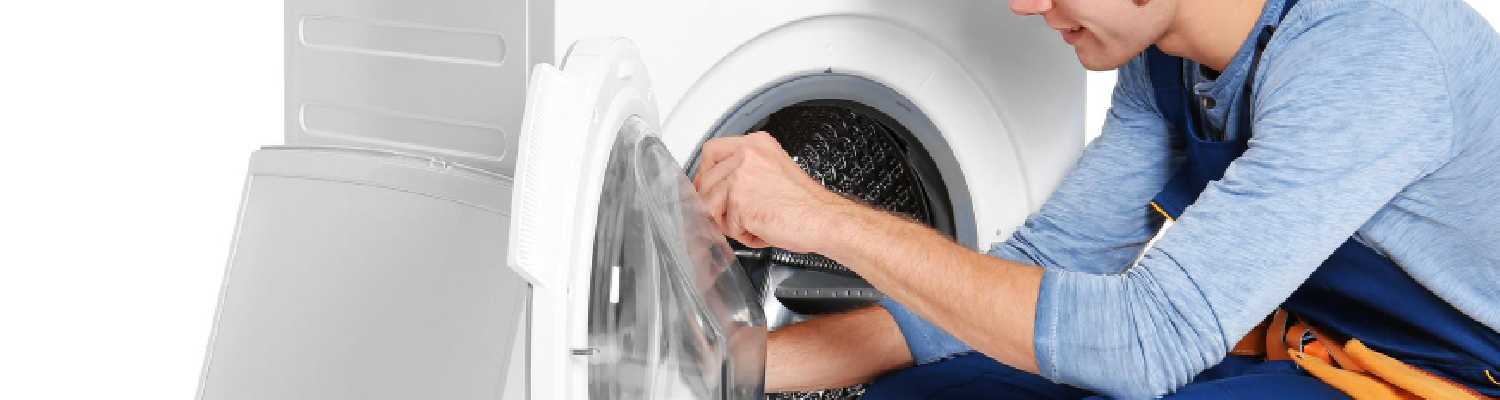
If cleaning the lint filter, checking vents, and adjusting usage habits do not improve dryer performance, internal components may require professional inspection. Heating elements, thermostats, motors, sensors, and internal wiring can all affect drying efficiency when damaged.
Early diagnosis helps prevent larger appliance failures while restoring proper performance before more expensive repairs become necessary.
A dryer that takes too long to dry clothes is often warning you that maintenance or dryer repairs are needed. Problems such as blocked vents, dirty filters, faulty heating elements, or worn mechanical parts can significantly reduce efficiency and increase operating costs.
For professional appliance diagnostics, dryer repairs, and long-term maintenance solutions, Matrix HVAC & Appliances provides best repair and maintenance services regarding this, helping homeowners keep their dryers operating safely, efficiently, and reliably.