

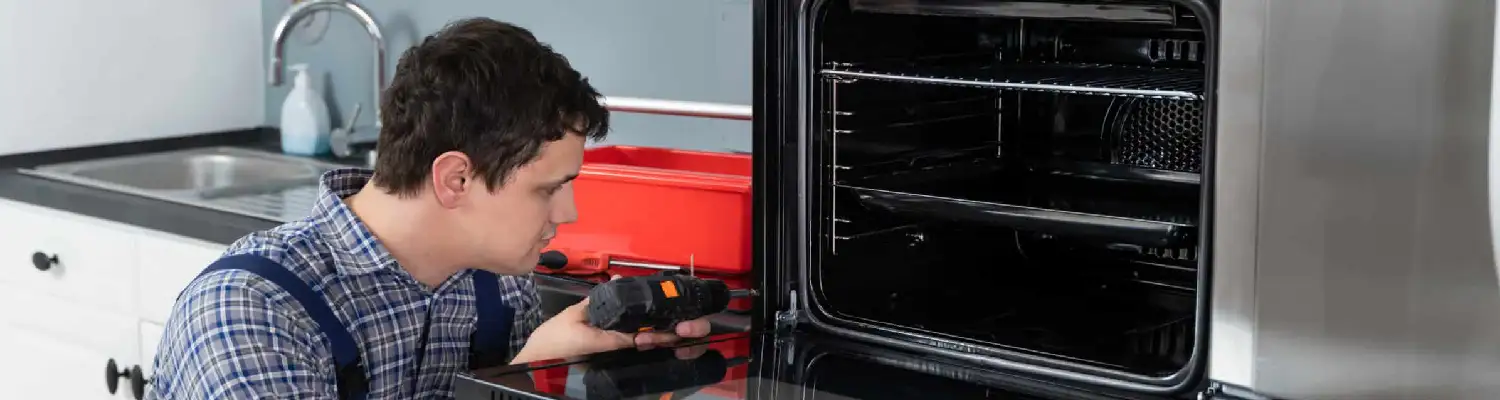
An oven that does not heat properly can turn everyday cooking into a frustrating experience. Whether you are baking, roasting, or reheating food, uneven or insufficient heat affects both taste and safety. Understanding the reasons behind oven heating issues can help you decide when simple checks are enough and when professional repair is required.
Modern ovens rely on a combination of electrical, gas, and electronic components. When one part malfunctions, the entire heating process can be disrupted. Identifying the problem early can prevent costly damage and extend the life of your appliance.
In electric ovens, the heating element is responsible for generating heat. If it becomes worn out, cracked, or burned, the oven may heat slowly or not at all.
A damaged heating element often requires replacement by a trained technician to ensure proper installation and safe operation.
The temperature sensor monitors the internal heat of the oven and signals the control board to adjust temperature levels. When this sensor fails, the oven may overheat or remain too cool.
Incorrect temperature readings can lead to uneven cooking and wasted energy.
Gas ovens depend on an igniter to light the gas burner. If the igniter is weak or faulty, the oven may fail to reach the required temperature or not heat at all.
Replacing a gas igniter requires professional expertise to prevent gas leaks and ensure safety.
A faulty thermostat can prevent the oven from maintaining the correct temperature. This often results in food taking longer to cook or coming out undercooked.
Professional testing is necessary to confirm thermostat failure and perform accurate repairs.
The control board manages oven functions such as temperature settings and heating cycles. When it malfunctions, the oven may not respond correctly or heat inconsistently.
Because control boards are sensitive components, expert oven repair handling is essential.
The oven door gasket seals heat inside the appliance. If the gasket is worn or damaged, heat escapes, making it difficult for the oven to reach the desired temperature.
Replacing the door seal improves heating efficiency and reduces energy consumption.
Ovens require proper airflow for even heating. Blocked vents can cause temperature imbalance and affect cooking performance.
Regular inspection and cleaning help maintain proper airflow.
While minor issues like cleaning vents or checking power connections can be handled at home, most heating problems involve internal components that require professional attention.
Attempting DIY repairs on electrical or gas systems can lead to safety hazards and further damage to the oven.
An oven that does not heat properly can impact daily cooking and increase energy costs. By understanding common causes and recognizing warning signs early, homeowners can avoid major repairs and ensure consistent cooking performance.
For expert diagnosis and reliable oven repair services, The Matrix Solutions provide the best services regarding oven heating issues and overall appliance maintenance. With skilled technicians and quality service, The Matrix Solutions help restore your oven’s performance safely and efficiently.